
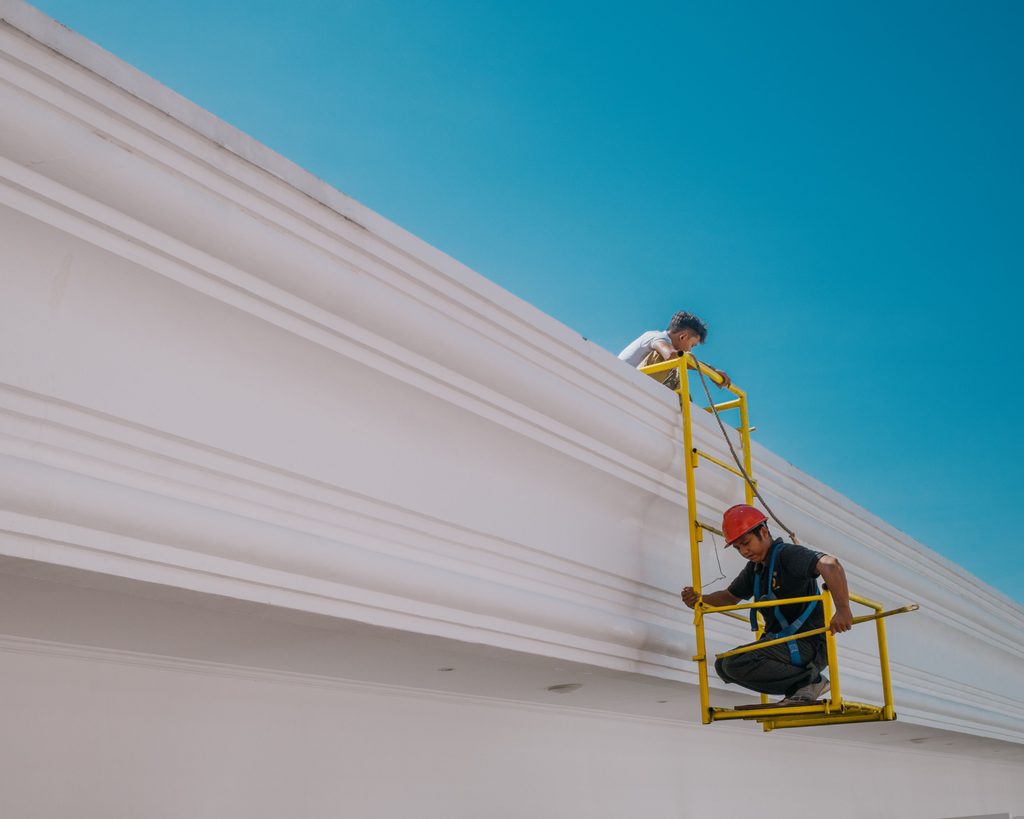
Injured by a falling object at work? Learn who may be responsible, your compensation rights, and how to make a No Win No Fee claim with Claim Today.
Introduction:Falling Objects Injury at Work
A falling object injury at work can happen in seconds, but its consequences may last for months or even years. Whether it involves construction materials dropping from scaffolding, tools falling from a height, unsecured warehouse stock, or equipment falling from shelves, these accidents can cause serious and sometimes life-changing injuries.
Employees working in construction, manufacturing, warehouses, retail, and other industries may face the risk of being struck by falling objects. While some incidents result in minor bruises, others can cause head injuries, fractures, spinal damage, and permanent disabilities.
If you have suffered a falling objects injury at work because appropriate safety precautions were not taken, you may be entitled to pursue compensation.
Employers have responsibilities to identify workplace hazards, assess risks, and implement suitable safety measures. When these responsibilities are not fulfilled, workers can be exposed to preventable dangers.
At Claim Today, we understand how stressful a workplace accident can be. This guide explains why falling object accidents happen, who may be responsible, what compensation you could claim, and how to pursue a No Win No Fee workplace injury claim.
What Is a Falling Objects Injury at Work?
A falling objects injury at work occurs when an employee is struck by an object that falls from a height, drops from storage, or becomes dislodged during workplace activities.
These incidents can happen in almost any working environment, although certain industries present greater risks.
Examples include:
- Construction materials falling from scaffolding.
- Tools dropping from ladders or elevated platforms.
- Boxes falling from warehouse shelving.
- Bricks, timber, or metal components falling from buildings.
- Equipment falling from overhead storage.
- Loads becoming unstable during lifting operations.
- Objects falling from forklifts or other material-handling equipment.
- Ceiling fixtures or poorly secured workplace fittings falling onto employees.
The seriousness of an injury often depends on the object’s weight, the height from which it falls, its shape, and the part of the body it strikes.
Even relatively small objects can cause significant injuries when dropped from considerable heights.
What Causes Falling Object Accidents in the Workplace?
Most falling object accidents have identifiable causes. In many situations, inadequate workplace safety arrangements can increase the likelihood of an incident.
Understanding these causes is important when determining whether an employer or another responsible party may have contributed to an injury.
1. Improper Storage of Materials
Incorrectly stored materials can become unstable and fall onto employees.
This is particularly common in warehouses, factories, distribution centres, and retail storage areas.
Examples include:
- Boxes stacked too high.
- Heavy materials placed on unstable shelving.
- Damaged storage racks.
- Unsecured goods stored above head height.
- Poorly organised storage areas.
- Materials placed too close to the edge of shelves.
Employers should ensure that storage arrangements are suitable for the weight, size, and nature of the materials being stored.
2. Unsafe Scaffolding and Working at Height
Construction workers may be exposed to falling objects when materials and tools are used at elevated positions.
An unsecured hammer, loose brick, or improperly stored construction material can fall onto someone working below.
Potential contributing factors include:
- Missing toe boards.
- Inadequate edge protection.
- Unsecured tools.
- Poor housekeeping on scaffolding.
- Inappropriate storage of materials.
- Failure to establish exclusion zones beneath elevated work.
Appropriate precautions should be taken to prevent objects from falling and striking workers or members of the public.
3. Poorly Maintained Equipment
Defective machinery and equipment can cause objects to become detached or fall unexpectedly.
For example, a damaged lifting attachment may fail while transporting materials, causing a load to fall onto nearby employees.
Regular inspections and maintenance are important for identifying equipment defects before they cause accidents.
4. Incorrect Lifting and Handling Procedures
Moving heavy materials requires appropriate equipment, planning, and training.
Accidents may occur when:
- Loads are not properly secured.
- Lifting equipment is unsuitable.
- Workers exceed equipment capacity.
- Materials are lifted incorrectly.
- Employees are not trained to operate lifting equipment.
- The surrounding work area is not properly controlled.
A falling load can cause severe crushing injuries, fractures, and other trauma.
5. Inadequate Workplace Risk Assessments
Employers should identify hazards associated with their operations and implement appropriate measures to control them.
If the risk of falling materials is ignored, employees may continue working in dangerous conditions.
For example, a warehouse that repeatedly stores heavy boxes on damaged shelving may expose workers to a foreseeable risk of injury.
What Types of Injuries Can Falling Objects Cause?
A falling objects injury at work can range from a relatively minor injury to a severe medical emergency.
The nature of the injury will depend on the circumstances of the accident.
Head Injuries
Being struck by a falling object can cause head injuries, including:
- Concussion.
- Skull fractures.
- Traumatic brain injuries.
- Cuts and lacerations.
- Persistent headaches.
- Memory and concentration difficulties.
Some head injuries may not produce immediate symptoms. Anyone struck on the head should seek appropriate medical assessment.
Back and Spinal Injuries
Heavy objects can cause significant damage when they strike the back or compress the spine.
Possible injuries include:
- Vertebral fractures.
- Spinal cord injuries.
- Herniated discs.
- Nerve damage.
- Chronic back pain.
- Reduced mobility.
Severe spinal injuries may require surgery, rehabilitation, and long-term assistance.
Fractures and Broken Bones
A falling object can break bones in different parts of the body.
Common examples include:
- Broken arms.
- Wrist fractures.
- Leg fractures.
- Broken ribs.
- Shoulder fractures.
- Foot and ankle injuries.
The recovery period depends on the type of fracture, its severity, and whether surgery is required.
Shoulder and Neck Injuries
Objects striking the upper body can cause soft-tissue damage, dislocations, and fractures.
Some injuries may lead to ongoing pain, restricted movement, and difficulty performing everyday tasks.
Crush Injuries
A particularly dangerous type of falling object accident occurs when a heavy object traps or compresses part of the body.
Crush injuries can affect muscles, bones, blood vessels, and nerves.
In severe cases, they may cause permanent disability or require surgical intervention.
Eye and Facial Injuries
Smaller objects, sharp materials, and fragments can cause serious facial injuries.
Possible consequences include:
- Eye injuries.
- Facial fractures.
- Dental injuries.
- Permanent scarring.
- Vision impairment.
The long-term impact will depend on the location and severity of the injury.
Who Is Responsible for a Falling Objects Injury at Work?
Determining responsibility is an important part of pursuing compensation.
Depending on the circumstances, an employer, contractor, property owner, equipment provider, or another party may have contributed to the accident.
Employer Responsibilities
Employers have legal responsibilities to protect employees from foreseeable workplace risks.
Under the Health and Safety at Work etc. Act 1974, employers must ensure, so far as is reasonably practicable, the health, safety, and welfare of their employees.
In relation to falling object hazards, this may involve:
- Providing safe storage arrangements.
- Maintaining appropriate workplace equipment.
- Securing materials and loads.
- Providing suitable training.
- Establishing exclusion zones where necessary.
- Ensuring safe working procedures.
- Conducting appropriate risk assessments.
- Providing suitable personal protective equipment where required.
A failure to take appropriate precautions may contribute to an employee suffering a falling objects injury at work.
Contractors and Subcontractors
Construction projects often involve several organisations working in the same area.
A contractor may be responsible for creating or failing to control a hazard that exposes other workers to falling materials.
For example, if a subcontractor leaves unsecured tools on an elevated platform and another worker is struck by one of them, the circumstances may give rise to a potential claim against the responsible party.
Responsibility will depend on the duties owed and the evidence available.
Equipment Manufacturers and Suppliers
In some cases, defective equipment or products may contribute to an accident.
For example, a faulty lifting attachment or defective storage system could cause materials to fall unexpectedly.
Depending on the circumstances, a manufacturer, supplier, or another party in the supply chain may potentially be liable.
Can You Claim Compensation for a Falling Objects Injury at Work?
Yes, you may be able to claim compensation if you were injured by a falling object because an employer or another responsible party breached a relevant duty of care.
However, not every accident automatically establishes legal liability.
To pursue a successful claim, you will generally need to establish:
- The defendant owed you a relevant duty of care.
- That duty was breached.
- The breach caused or materially contributed to your injury.
- You suffered an injury or loss for which compensation can legally be recovered.
For example, imagine a warehouse employee suffers a serious head injury after a heavy box falls from a damaged storage rack.
If the employer knew about the damaged shelving but failed to arrange repairs or implement suitable precautions, there may be grounds to investigate a negligence claim.
Similarly, a construction worker struck by unsecured materials falling from scaffolding may have grounds for a claim if the responsible party failed to take appropriate safety precautions.
Each case must be assessed individually.
Evidence for an accident at work
What Should You Do After a Falling Objects Injury at Work?
The steps you take following an accident can protect your health and help preserve important evidence.
1. Seek Immediate Medical Attention
Your health should be the priority.
If you have suffered a head injury, suspected fracture, spinal injury, or crush injury, seek urgent medical assistance.
Do not assume that an injury is minor simply because symptoms initially appear manageable.
Follow medical advice and attend any recommended follow-up appointments.
2. Report the Accident to Your Employer
Inform your employer or supervisor about the incident as soon as possible.
Ask for the accident to be recorded in the workplace accident book or relevant reporting system.
Include details such as:
- The date and time.
- The location.
- The object involved.
- How the object fell.
- The injuries sustained.
- Names of witnesses.
- Any immediate safety concerns.
Keep a record of the report where possible.
3. Photograph the Accident Scene
Photographs can help establish the circumstances surrounding a falling objects injury at work.
Where it is safe to do so, photograph:
- The object that caused the injury.
- The storage area or elevated platform.
- Damaged shelving or equipment.
- Missing safety barriers.
- Any visible workplace hazards.
- The surrounding environment.
Do not put yourself or others at risk to obtain photographs.
4. Collect Witness Details
If colleagues witnessed the incident, record their names and contact details.
Their accounts may help explain how the accident happened and whether appropriate safety procedures were followed.
5. Keep Medical and Financial Records
Maintain copies of relevant medical documents, appointment letters, prescriptions, and receipts.
You should also record financial losses, including:
- Lost wages.
- Medical expenses.
- Travel costs.
- Rehabilitation expenses.
- Care costs.
- Other reasonable expenses resulting from the injury.
These documents may support the financial aspects of your compensation claim.
6. Seek Legal Advice
A personal injury solicitor can investigate the circumstances, assess potential liability, and explain whether you may have grounds for a claim.
They can also help identify the evidence needed to support your case.
What Evidence Is Needed for a Falling Objects Injury at Work Claim?
Evidence is essential when establishing how an accident happened and who may be legally responsible.
Depending on the circumstances, useful evidence may include:
Accident records: Workplace accident reports can establish when and where the incident occurred.
Photographs: Images of the object, damaged equipment, and accident location may help demonstrate the conditions that contributed to the injury.
Witness statements: Colleagues and other witnesses may provide independent accounts of the incident.
Medical records: Hospital records, GP notes, diagnostic reports, and specialist assessments can help establish the injury and its effects.
Risk assessments: Relevant documents may show whether the workplace hazard had been identified and what precautions were planned.
Maintenance records: Inspection and repair records may help establish whether equipment or storage systems were properly maintained.
Training records: These may help determine whether employees received appropriate instruction for the work they were expected to perform.
A solicitor can advise on obtaining relevant workplace documentation through appropriate legal procedures.
How Much Compensation Can You Receive for a Falling Objects Injury at Work?
There is no fixed compensation amount for a falling objects injury at work.
The value of a claim depends on the severity of the injury, the recovery period, long-term effects, and the financial losses experienced by the injured person.
Compensation is generally assessed under two main categories.
General Damages
General damages compensate for pain, suffering, and loss of amenity.
Factors considered may include:
- The nature of the injury.
- Its severity.
- The duration of symptoms.
- Whether surgery was necessary.
- The expected recovery period.
- Any permanent disability.
- The effect on everyday activities.
For example, an employee who suffers a minor fracture and makes a full recovery may receive a different level of compensation from someone who experiences permanent neurological damage following a serious head injury.
Special Damages
Special damages cover identifiable financial losses resulting from the accident.
These may include:
- Lost earnings.
- Future loss of income.
- Medical expenses.
- Rehabilitation costs.
- Travel expenses.
- Care and assistance.
- Other reasonable injury-related costs.
The appropriate documentation should be retained to support these losses.
Compensation figures cannot be guaranteed in advance, as every case depends on its individual circumstances and supporting evidence.
Can You Make a Claim If You Were Not Wearing a Hard Hat?
This depends on the circumstances of the accident.
Employers may be required to provide suitable protective equipment where necessary and ensure that appropriate safety arrangements are in place.
If an employer failed to provide required protective equipment, failed to enforce appropriate safety procedures, or allowed dangerous working conditions to continue, these circumstances may be relevant to a compensation claim.
However, an employee’s own actions may also be considered.
Under the principle of contributory negligence, compensation may be reduced if the injured person is found to have contributed to their own injury.
For example, an employee who knowingly ignores appropriate safety instructions may face an argument that they contributed to the accident.
This does not automatically mean the claim will fail. The full circumstances and evidence must be considered.
Can You Claim If You Are Still Working for the Same Employer?
Yes. You do not necessarily need to resign or leave your workplace before pursuing compensation.
Employees can generally investigate a legitimate personal injury claim while remaining in employment.
Many workers worry that making a claim will damage their relationship with their employer.
However, most employers in Great Britain are legally required to maintain employers’ liability insurance, subject to certain exceptions.
A workplace injury claim will commonly be handled through the relevant insurance arrangements rather than being paid directly from an individual manager’s personal finances.
If you are concerned about unfair treatment or retaliation, you should seek independent advice about your employment rights.
How Long Do You Have to Make a Falling Objects Injury at Work Claim?
In England and Wales, the general limitation period for personal injury claims is three years.
Under Section 11 of the Limitation Act 1980, the period will generally run from the date of the accident or, where applicable, the date of knowledge of the injured person.
There are exceptions, including special provisions for children and people who lack mental capacity.
If you have suffered a falling objects injury at work, it is advisable to seek legal advice as soon as possible rather than waiting until the deadline approaches.
Early action can also make it easier to preserve evidence and obtain relevant witness accounts.
Can You Make a No Win No Fee Falling Objects Injury at Work Claim?
The cost of legal representation can be a concern, particularly if your injury has affected your ability to earn an income.
A No Win No Fee agreement, also known as a conditional fee agreement, may allow eligible individuals to pursue a compensation claim without paying their solicitor’s basic legal fees upfront.
Under the terms of a genuine No Win No Fee agreement, the solicitor’s basic legal fees are generally payable if the claim succeeds.
A success fee may be deducted from the compensation, subject to applicable legal restrictions and the agreement.
Before entering into an agreement, make sure you understand:
- Whether a success fee applies.
- How the success fee is calculated.
- What happens if your claim is unsuccessful.
- Whether insurance is required.
- Whether any additional costs could become payable.
Always review the agreement carefully before signing.
Why Choose Claim Today?
Suffering an injury at work can create uncertainty about your health, finances, and future employment.
At Claim Today, we aim to help injured individuals understand their legal options and explore whether they may be entitled to compensation.
Whether you were struck by falling construction materials, injured by unsecured warehouse stock, or hurt by defective workplace equipment, understanding your rights is an important first step.
Our team can help you explore the possibility of making a No Win No Fee claim, subject to eligibility and the terms of the agreement.
You do not need to know all the legal details before getting in touch.
Explain what happened, describe your injuries, and find out what options may be available.
Frequently Asked Questions About Falling Objects Injury at Work Claims
1. Can I claim compensation if an object falls on me at work?
Yes, potentially. If an employer, contractor, or another responsible party failed to take appropriate safety precautions and that failure caused your injury, you may have grounds for a personal injury claim. Liability will depend on the evidence and circumstances.
2. What if I was injured by an object falling from scaffolding?
You may be able to claim compensation if inadequate storage, unsecured tools, missing protective measures, or other safety failures contributed to the accident. Evidence about the scaffolding, working arrangements, and the responsible parties will be important.
3. Can I claim for a minor injury caused by a falling object?
Potentially, yes. A claim is not automatically excluded because an injury is relatively minor. However, you must establish the relevant legal basis for the claim and demonstrate that you suffered a compensable injury or loss.
Final Thoughts
A falling objects injury at work can have serious consequences, particularly when it involves heavy materials, industrial equipment, or objects falling from significant heights.
Employers and other responsible parties should take appropriate precautions to reduce foreseeable risks and protect people working in their environments.
If inadequate safety arrangements contributed to your accident, you may have grounds to pursue compensation for your injuries and associated financial losses.
Understanding your rights, obtaining medical attention, preserving evidence, and seeking appropriate legal advice can help you decide what to do next.
Have you been injured by a falling object at work?
Contact Claim Today to discuss your circumstances and explore whether you could pursue a No Win No Fee compensation claim.
This article is for general information only and does not constitute legal advice. Eligibility and liability depend on the individual circumstances of each case.