
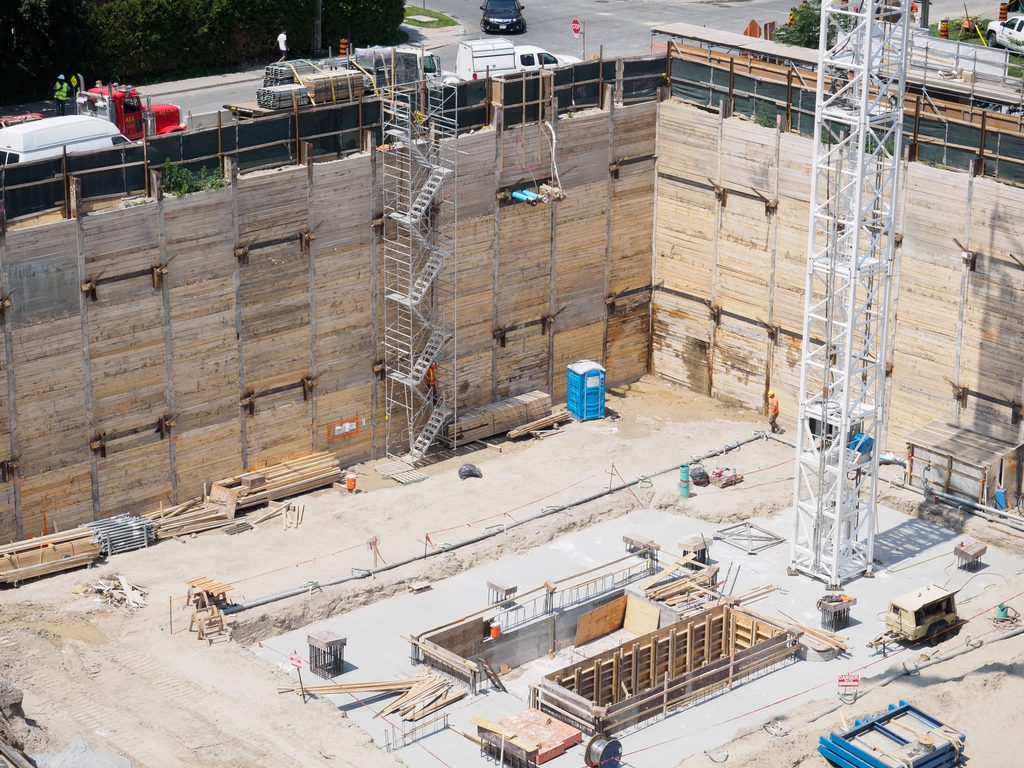
Learn how a fall from height at work claim works after a construction site accident, including liability, serious injuries, compensation and your legal rights.
Fall from Height at Work Claim: What Are Your Legal Rights?
A fall from height at work claim may allow an injured construction worker to seek compensation when an accident results from negligence or another legally actionable breach of duty. Falls from scaffolding, ladders, roofs, unfinished floors and raised platforms can cause serious injuries, including broken bones, spinal damage, traumatic brain injuries and permanent disability.
Construction workers often carry out tasks at significant heights while working around scaffolding, temporary platforms, lifting equipment and unfinished structures. When appropriate safety measures are missing, poorly maintained or inadequately implemented, the consequences of a fall can be life-changing.
Under the law of England and Wales, injured workers may have grounds to bring a personal injury claim against an employer, contractor or another responsible party, depending on the circumstances.
A fall from height at work claim can involve more than the immediate physical injury. Compensation may also take account of lost earnings, rehabilitation, care requirements and the longer-term impact on the worker’s ability to return to their previous occupation.
What Is a Fall from Height at Work Claim?
A fall from height at work claim is a personal injury claim arising when a worker falls from an elevated position and another party may be legally responsible for the accident.
Under the Work at Height Regulations 2005, work at height covers situations where a person could fall a distance liable to cause personal injury if the required precautions were not taken. It is not limited to working several metres above the ground.
Common construction site accidents that may lead to a claim include:
- Falling from scaffolding because suitable edge protection or other safeguards were missing.
- Falling from a ladder that was defective, unsuitable or improperly secured.
- Falling through a fragile roof or an inadequately protected opening.
- Falling from an unfinished floor or an unprotected platform.
- Falling because of unsafe access routes, unstable working surfaces or inadequate fall prevention measures.
- Falling from a mobile elevated work platform because of an equipment or safety failure.
Not every fall establishes a valid compensation claim. The evidence must support the relevant legal basis for liability and demonstrate a sufficient connection between the breach and the injury.
For official guidance, read the HSE’s construction work at height guidance.
Construction Site Fall Claim: Who May Be Responsible?
A construction site fall claim may involve several parties because construction projects often have multiple employers, contractors and organisations responsible for different aspects of site safety.
Depending on the facts, potentially responsible parties may include:
1. The Employer
An employer may be liable where a failure to meet relevant safety obligations contributes to the accident. Examples could include inadequate training, unsafe working arrangements or failing to provide appropriate equipment.
2. A Principal Contractor or Site Contractor
A contractor may have responsibilities for coordinating construction activities, managing site risks or maintaining safe working arrangements within the scope of its duties.
If unsafe site conditions or failures in coordination contribute to a fall, the contractor’s role may need to be investigated.
3. A Scaffolding Contractor
A scaffolding contractor may be relevant where a fall is linked to defective scaffolding, inadequate assembly, missing components or inspection and maintenance failures.
The precise responsibilities of each party depend on the contract, the work undertaken and the applicable legal duties.
4. An Equipment Manufacturer or Supplier
In some cases, a defective ladder, platform or other piece of equipment may contribute to a serious fall. Product liability or other legal claims may need to be considered alongside any potential workplace negligence claim.
Identifying the correct defendant is an important part of investigating a fall from height at work claim. More than one party may have contributed to the circumstances of the accident.
Common Causes of Falls from Height on Construction Sites
Construction site falls can happen for several reasons. Identifying the underlying cause is essential when determining whether there is evidence of negligence.
Falls from Scaffolding
A fall from scaffolding claim may arise when a worker falls from an inadequately protected platform, unstable scaffold or defective access route.
Relevant safety issues may include missing guardrails, unsafe platforms, inadequate inspection or unsuitable arrangements for accessing the working area.
Falls from Ladders
A ladder-related fall from height at work claim may involve defective equipment, inappropriate ladder selection, poor securing arrangements or an unsafe working method.
Ladders are not automatically unlawful or unsafe, but their suitability depends on the task, the risks and the available alternatives.
Falls Through Roofs and Fragile Surfaces
Workers may fall through fragile roofing materials, rooflights or other surfaces that cannot safely support their weight.
Suitable precautions may include avoiding access where possible, providing appropriate platforms or barriers, and using other protective measures based on a proper risk assessment.
Falls from Unprotected Edges and Openings
Unprotected edges, incomplete flooring and uncovered openings can expose construction workers to serious fall risks.
Where appropriate barriers, covers or other safeguards are absent, the resulting accident may warrant an investigation into the responsibilities of the employer and other site duty holders.
The HSE’s step-by-step guide to working at height explains the importance of avoiding work at height where possible, preventing falls and minimising the consequences when a fall cannot be prevented.
Serious Injuries After a Fall from Height at Work
A serious fall from height at work claim may involve injuries that require extensive medical treatment, prolonged rehabilitation or ongoing assistance.
Examples include:
- Fractures: Broken wrists, arms, legs, ankles, pelvis or multiple bones.
- Spinal injuries: Damage that may affect movement, sensation or independence.
- Traumatic brain injuries: Head injuries that can cause cognitive, physical or behavioural difficulties.
- Internal injuries: Damage to internal organs following a substantial impact.
- Crush injuries: Severe tissue and bone damage caused by the impact or resulting circumstances.
- Permanent disability: Injuries that prevent a worker from returning to their previous job or carrying out everyday activities independently.
The severity of the injury is important when assessing compensation, but the overall value also depends on the medical evidence, prognosis, financial losses and strength of the liability case.
Where a fall causes permanent impairment, the potential financial consequences may continue long after the initial treatment period.
Fall from Height at Work Claim: How Much Compensation Can You Receive?
The compensation available following a fall from height at work claim depends on the individual circumstances. There is no single amount that applies to every construction accident, and a serious injury does not automatically mean that the claim will succeed.
Compensation may include different categories of loss where legally recoverable and supported by evidence.
General Damages for Pain, Suffering and Loss of Amenity
This element addresses the pain, suffering and impact on quality of life caused by the injury.
The assessment may consider the nature of the injury, its severity, the recovery period, continuing symptoms and any permanent disability.
Loss of Earnings
A worker may be unable to work during recovery or may have to reduce their hours or change occupation.
Depending on the evidence, a claim may include past lost earnings and certain future losses arising from reduced earning capacity.
Medical Treatment and Rehabilitation
Reasonable injury-related expenses may be recoverable where the legal requirements are met. These can include relevant treatment, rehabilitation and other necessary costs.
Care and Assistance
Some workers need help with personal care, household tasks or daily activities following a serious fall. The need for assistance and its value may be considered as part of the claim.
Future Financial Losses
Where an injury causes lasting disability, the assessment may need to consider future treatment, equipment, care or employment-related losses.
A solicitor can assess the available evidence and explain which losses may be recoverable. Compensation figures should not be guaranteed before the individual circumstances have been properly evaluated.
What Makes a Construction Fall Claim High Value?
A fall from height at work claim may involve substantial damages where the accident causes serious, lasting harm and significant financial consequences.
Factors that may increase the potential value of a claim include:
Permanent disability: A spinal injury, serious brain injury or complex fracture may have lasting consequences for independence and employment.
Clear evidence of liability: Records showing missing edge protection, defective equipment or failures to manage known risks may support a claim, depending on the circumstances.
Long-term loss of earnings: Workers who cannot return to physically demanding construction roles may face substantial future financial losses.
Ongoing treatment and care: Serious injuries may require long-term rehabilitation, specialist treatment, adaptations or assistance.
Strong medical evidence: Medical reports and evidence of the injury’s prognosis help establish the physical consequences and likely future needs.
A high-value claim is not determined by the accident alone. Liability, causation, medical evidence and the full extent of the claimant’s losses must be assessed together.
How to Prove Liability in a Fall from Height at Work Claim
Evidence is essential when investigating a fall from height at work claim. Where possible, injured workers should preserve relevant information without putting themselves or anyone else at risk.
Useful evidence may include:
- Accident reports: Request details of the incident recorded by the employer or site management.
- Photographs and videos: Preserve images of the location, scaffolding, ladder, platform, missing barriers or other relevant hazards, if safely available.
- Witness statements: Record the names and contact details of people who saw the fall or the conditions leading up to it.
- Medical records: Keep documentation of emergency treatment, hospital attendance, surgery, rehabilitation and ongoing symptoms.
- Training and safety records: Information about risk assessments, method statements, training, equipment inspections and site procedures may be relevant.
- Employment and financial records: Payslips, absence records and evidence of expenses can help demonstrate the financial impact.
- Equipment details: Where equipment may have failed, identifying information and maintenance records may help establish what happened.
Workers should report the accident through the appropriate workplace procedure and seek medical attention for their injuries. They should not attempt to access restricted documents or alter equipment to collect evidence.
What Does the Law Say About Construction Site Falls?
The Work at Height Regulations 2005 are central to many construction fall cases in Great Britain.
The regulations address planning and organising work at height, the competence of people undertaking it, suitable equipment, risk assessment and the management of fragile surfaces.
The HSE explains that those responsible for work at height should consider whether the work can be avoided, whether falls can be prevented and how the distance and consequences of a potential fall can be minimised.
Read the legislation: The Work at Height Regulations 2005.
The Construction (Design and Management) Regulations 2015 may also be relevant to managing health and safety on construction projects, depending on the circumstances.
Read more: Construction (Design and Management) Regulations 2015.
A breach of a health and safety requirement does not, by itself, settle every question about civil liability. The applicable legal duties, the circumstances of the accident and the evidence must be considered.
How Long Do You Have to Make a Fall from Height at Work Claim?
In many personal injury cases in England and Wales, court proceedings generally need to be started within three years of the accident or, where applicable, the date of knowledge of the injury.
Exceptions can apply, including different rules for children and people who lack the relevant mental capacity. Other circumstances may also affect how a deadline is calculated.
Because missing a limitation deadline can seriously affect a claim, injured workers should seek legal advice promptly rather than assume they have time to spare.
Official legislation: Limitation Act 1980, section 11.
How Can Claim Today Help After a Construction Site Fall?
Claim Today helps people explore their legal options after personal injuries that may have been caused by negligence.
If you have suffered a fall from scaffolding, a ladder, a roof or another elevated surface on a construction site, the first step is to establish what happened and whether another party may be legally responsible.
An assessment of a potential fall from height at work claim may consider:
- The cause of the fall and the site conditions.
- Whether relevant safety duties were breached.
- The employer’s, contractor’s or another party’s potential responsibility.
- The nature and severity of the injuries.
- Lost earnings, treatment expenses and future financial needs.
- The evidence required to establish liability and quantify losses.
If you have suffered a serious construction site fall, contact Claim Today to discuss your circumstances and explore whether you may have grounds for a personal injury claim.
Every case is different, and no compensation amount or outcome can be guaranteed.
Frequently Asked Questions
1. Can I make a fall from height at work claim if I fell from scaffolding?
Potentially, yes. If a fall from scaffolding resulted from negligence or another actionable breach of duty, you may have grounds to claim compensation. The investigation may consider the condition of the scaffold, fall protection, inspections, training and the responsibilities of the parties involved.
2. Can I claim compensation after falling from a ladder on a construction site?
You may be able to claim if another party’s negligence or breach of duty contributed to the accident. The suitability of the ladder, the task, the working conditions and the precautions taken may all be relevant.
3. What if I was partly responsible for the fall?
You should not assume that you have no claim. Depending on the circumstances, contributory negligence may reduce the compensation awarded rather than prevent recovery entirely. The effect depends on the applicable law and evidence.
4. Can a fall from height at work claim include future loss of earnings?
Potentially. If medical and employment evidence shows that the injury is likely to affect future earning capacity, a claim may include certain future financial losses where the legal requirements are satisfied.
5. Do I need medical evidence for a construction site fall claim?
Medical evidence is generally important for establishing the nature and severity of the injury, its effects and the likely prognosis. Accident evidence is also important for investigating liability.
About Claim Today
Claim Today helps injured people understand their options after accidents that may have resulted from negligence.
If a construction site fall has left you with serious fractures, a spinal injury, a brain injury or a permanent disability, obtaining advice promptly can help you understand the evidence required, the potential losses involved and the time limits that may apply.
Contact Claim Today to discuss your accident and explore your legal options.
This article provides general information about the law of England and Wales and is not individual legal advice. Eligibility for compensation and the value of any claim depend on the circumstances of the case.