
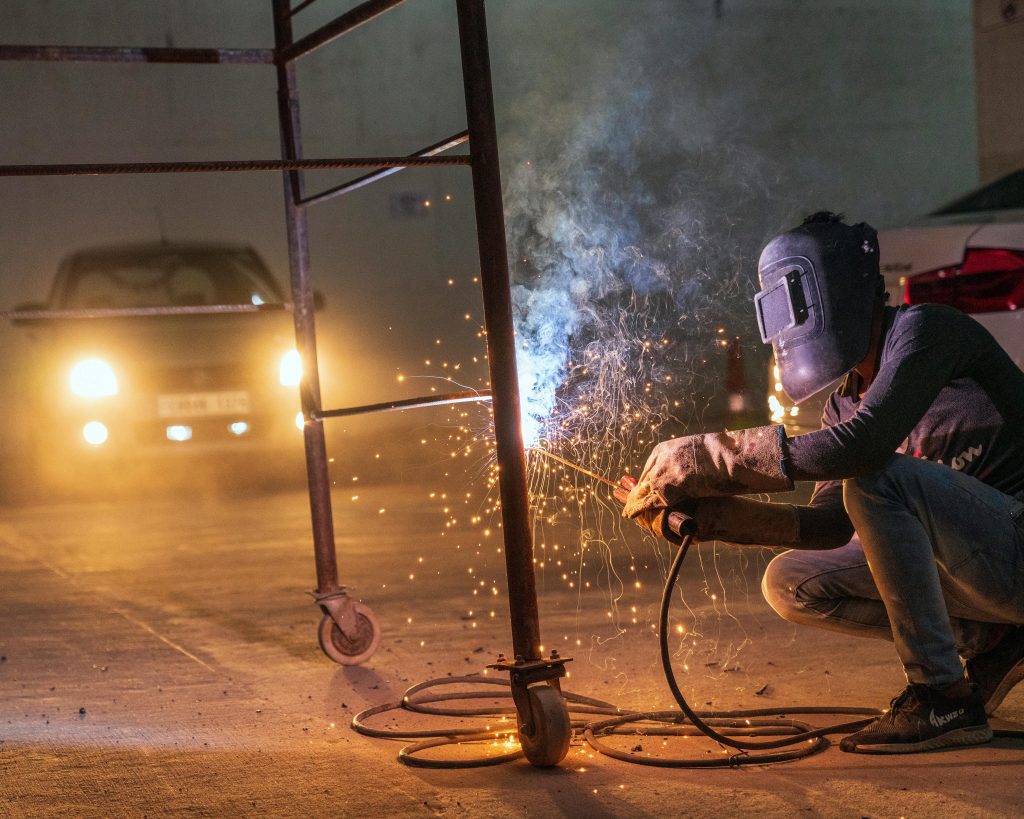
The Ultimate Guide For Everything You Need to Know
If you have experienced an accident at work then you know that they can be extremely frightening, and leave you with a lot of worries.
The most common concern for an individual is whether they may face disciplinary action for either the actual accident or for reporting it and seeking potential compensation.
Although concern is understandable it is often unwarranted as every employee has legal rights when it comes to workplace health & safety.
At Claim Today, we will walk you through your rights and what you should do from a legal perspective if you have had an accident in a workplace environment.
See our guide Workplace Injury? Here’s How to Claim for Loss of Earnings
Understanding Disciplinary Action After Workplace Accident
Disciplinary action after a workplace accident is not automatic. Your employer must have valid reasons to take such steps. They cannot use the accident itself as grounds for punishment.
Employment law protects employees from unfair treatment. This protection applies after accidents. Your employer has a duty of care toward you. Also, this includes providing a safe working environment. When accidents occur despite proper safety measures, blame should not fall on employees.
However, discipline becomes possible in certain situations. Furthermore, this happens if negligence or misconduct contributed to the accident. Your employer must prove this through a proper investigation. They cannot simply assume wrongdoing occurred.
Your Accident at Work Disciplinary Rights
Your accident at work disciplinary rights provide essential protections. These rights ensure fair treatment. Also, this applies during any disciplinary process following an accident.
Right to Proper Investigation
Your employer must conduct a thorough investigation. Employers must also be aware of the most common workplace accidents. They must do this before taking disciplinary action. This investigation should be fair and impartial. They cannot jump to conclusions based on limited information.
The investigation should gather all relevant facts. Moreover, this includes witness statements. It includes CCTV footage and accident reports. Your version of events must be heard and considered.
You have the right to provide your account of what happened. Your employer must listen to your explanation. They should consider all factors. These factors might have contributed to the accident.
Right to Representation
You can have representation during disciplinary hearings. Also, this might be a trade union representative. It could be a colleague. Some employers also allow legal representation in severe cases.
Your representative can speak on your behalf. They can ask questions and challenge evidence. Also, they can also help you understand the process. They can explain your options.
Choose your representative carefully. They should understand employment law. They should know disciplinary procedures. Experience with workplace accident cases is particularly valuable.
Right to Appeal: Can I get a disciplinary for an accident at work?
If disciplinary action is taken, you have the right to appeal. This appeal should be heard by someone not involved in the original decision.
The appeal process gives you another chance. You can present your case again. Moreover, you can highlight any procedural errors. You can point out unfair treatment. New evidence can also be presented if it becomes available.
Appeals must be made within the timeframe specified. Your employer’s policy will state this timeframe. Missing this deadline might prevent you from challenging the decision. Act quickly if you believe the disciplinary action was unfair.
Workplace Accident Employment Consequences
Understanding workplace accident employment consequences helps you prepare. First, you should know how to report an accident at work. It enables you to prepare for various outcomes. Not all consequences involve formal disciplinary action.
Additional Training Requirements
Your employer might require additional safety training. Also, this often happens following an accident. Moreover, this is usually precautionary rather than punitive. Extra training helps prevent similar incidents in the future.
Such training should be provided at your employer’s expense. It should not be treated as punishment. View it as an opportunity. It’s a chance to improve your skills and safety awareness.
Refusing reasonable training requests might lead to disciplinary action. Cooperating with training shows your commitment. It shows commitment to workplace safety. It also demonstrates that you take the accident seriously.
Temporary Duty Changes
Your employer might temporarily change your duties after an accident. This could be for safety reasons. It might be while investigations continue. Such changes are not necessarily disciplinary measures.
Temporary changes should not result in reduced pay. They should not affect benefits. They should also be genuinely temporary. Permanent changes require proper consultation. They need justification.
If duty changes seem punitive or unreasonable, seek advice. Your trade union can help assess the situation. An employment lawyer can also help. They can determine whether the changes are fair and legal.
Enhanced Supervision
Increased supervision might follow an accident at work. This could involve more frequent check-ins. It could mean closer monitoring of your activities. Again, this is often precautionary rather than disciplinary.
Enhanced supervision should be reasonable. It should be proportionate. It should not be designed to make your working life difficult. The goal should be to prevent future accidents. It should not be a punishment. If supervision becomes excessive, you have rights. If it becomes harassing, you have rights. Document any unreasonable treatment.
Protecting Yourself After a Workplace Accident
Can I get a disciplinary for an accident at work? Taking adequate steps after an accident can protect you. It protects you from unfair treatment. It also strengthens your position if disciplinary issues arise.
Report the Accident Immediately
Always report workplace accidents via official channels. Use your employer’s accident reporting system. This creates an official record of what happened.
Delays in reporting might be viewed suspiciously. The employer can ask why you do not act immediately. Timely reporting demonstrates transparency. It shows honesty.
Include all relevant details in your accident report. Describe what happened. State when it occurred. Include any contributing factors. Be honest but avoid accepting blame unnecessarily.
Seek Medical Attention
Always get medical treatment even for minor injuries. This protects your health. It also creates medical records. These records might be vital. They could matter if disciplinary issues arise later. Medical evidence might support your version of events. It can demonstrate the accident’s impact on you. Moreover, this information is relevant to any disciplinary proceedings.
Document Everything
Here are some key points to consider if you have a question can i get a disciplinary for an accident at work?
- Keep detailed records of the accident. Note the conversations, emails, and letters. Remember, good documentation protects you if disputes arise.
- Take photos of the accident scene if possible. These images might be valuable evidence later. They can show conditions that contributed to the accident.
- Write down your account of events while the memory is fresh. Include times, locations, and any witnesses present. This detailed account will help you later. It will help if questions arise.
Cooperate with Investigations
Cooperate fully with your employer’s accident investigation. Answer questions honestly. Provide the requested information. Cooperation demonstrates your commitment. It shows commitment to resolving the situation.
However, cooperation does not mean accepting blame inappropriately. Stick to facts. Avoid speculating about causes. Let the investigation determine what happened. So, if the investigation seems biased, seek advice. Your employment lawyer can help.
What to Do If You Face Disciplinary Action
The employer must start disciplinary action after the accident. If this happens, take immediate steps to protect. Here are some points to consider: Can I get a disciplinary for an accident at work?
Understand the Charges
Make sure you understand what you are being accused of. Moreover, ask for written details of the allegations. The details will help you prepare an appropriate response.
Consider whether the charges seem reasonable. Think about the circumstances. Question anything that seems unfair or inaccurate. You have the right to challenge unreasonable allegations.
Research your employer’s disciplinary policy. Understand the process they should follow. This knowledge helps you spot any procedural errors.
Gather Supporting Evidence
Collect any evidence that supports your position. This might include witness statements. It could consist of photographs or documentation. Substantial evidence can make the difference in disciplinary hearings.
Consider what training you received related to the accident. Gather records of safety training and instructions. This might show that you followed proper procedures.
Look for any factors beyond your control. These factors might have contributed to the accident. Equipment failures might be relevant. Inadequate lighting could matter. Time pressures might be significant. These factors could reduce or eliminate your responsibility.
Seek Professional Support
Contact your trade union representative if you have one. They have experience with disciplinary procedures. They understand employment rights.
Consider consulting an employment lawyer. This is especially important for serious allegations. Legal advice helps you understand your options. It also ensures you are appropriately represented throughout the process. Don’t face disciplinary action alone. Professional support improves your chances of a fair outcome. It also reduces stress. Dealing with complex procedures is stressful.
DS Bal, a 27-year Qualified Specialist Solicitor, has been a specialist in Injury Claims since 1999. With Thousands of Successful Cases, he boasts a high settlement success rate. For a No Win No Fee Guarantee and Transparent Fee Structure, contact Claim Today now!
- Free initial consultation
- No-win, no-fee service
- Faster and stress-free claim process
- Support with all types of income loss
FAQs
Q1. Can my employer discipline me immediately after a workplace accident?
Employers must not take immediate disciplinary action, especially without proper investigation. They must gather facts and evidence before making decisions. Rushing to punishment without investigation is unfair. Moreover, it is potentially unlawful.
Q2. Can I be disciplined for not wearing safety equipment during an accident?
Yes, if you choose not to wear the required safety equipment, this could justify disciplinary action. The employer must provide the relevant proof. Regarding the equipment provided, relevant training was not provided, and you deliberately ignored the requirements. Also, the faulty or unavailable equipment cannot be justified.
Q3. Does workers’ compensation affect disciplinary proceedings?
Workers’ compensation & disciplinary action are separate issues under employment law. The compensation claim cannot be used as grounds for discipline. However, the facts of your accident might be relevant to both processes.
Q4. How long does my employer have to start disciplinary action after an accident?
There is no fixed legal time limit. However, employers must act immediately. Delays might suggest the case is weak or that discipline is not warranted. The complex investigations might take time to complete.