
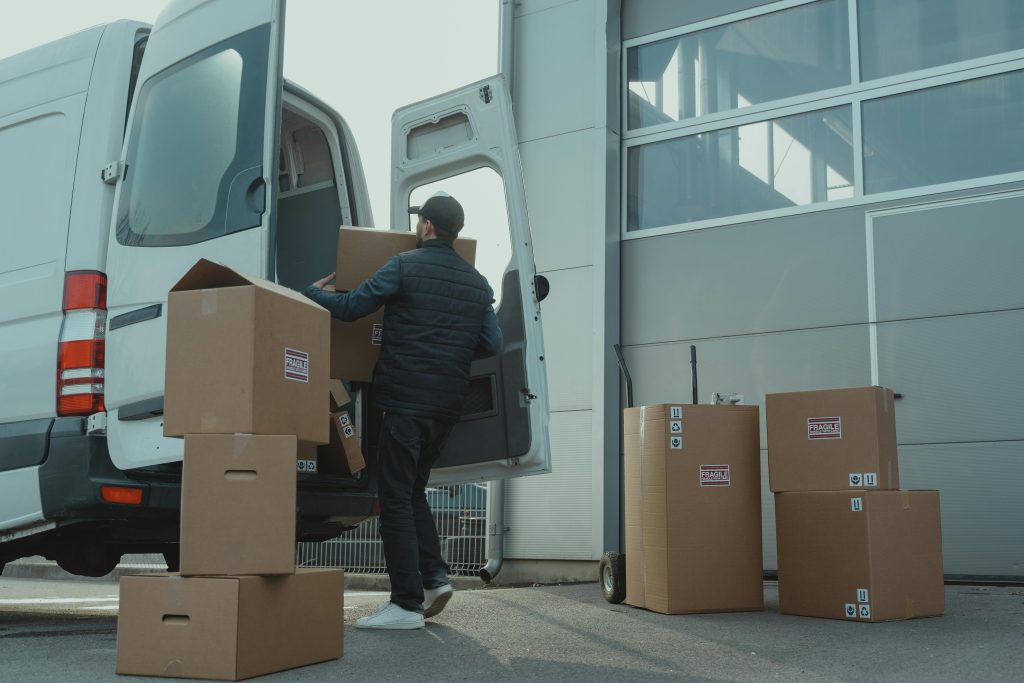
Lifting injuries at work can happen when employers ignore Manual Handling Regulations. Learn when it’s your employer’s fault, how to prove negligence, and how to start a No Win No Fee claim with Claim Today.
Lifting injuries at work don’t just happen in warehouses or construction sites — they often strike in quiet moments, during “just one more lift,” or when you’re trying to help a colleague because no one else is around. One wrong twist, one box that’s heavier than it looks, and suddenly you’re dealing with pain that follows you home, interrupts your sleep, and makes even simple tasks feel impossible.
But here’s the truth many workers don’t realise:
these injuries are often completely preventable — and your employer is responsible for keeping you safe.
That’s where Claim Today and our lead solicitor DS Bal step in. Known for fighting for injured workers across the UK, DS Bal doesn’t just look at the injury — he looks at the SYSTEM that failed you.
Lack of training? No lifting equipment? Short-staffed shift? Pressure to “just get it done”?
These are the signs of employer negligence he uncovers every day.
When Are Lifting Injuries Your Employer’s Fault?
1. No Proper Manual Handling Training
Training is the foundation of safe lifting.
Your employer must teach you:
- How to lift safely
- When not to lift
- How to use mechanical aids
- How to assess the weight and risk
If you were never trained—or trained years ago with no refreshers—any lifting injury at work may be due to employer negligence.
See our related guide Proving Negligence in Public Liability Claims: What You Need to Know for more on how evidence works in injury claims.
2. Being Forced to Lift More Than Is Safe
The law does not set one limit for everyone, because:
- Your strength
- Your health
- Your job role
- The movement required
All change the risk level.
If your manager pressured you to lift something beyond what you felt was safe, your employer may be liable.
3. No Equipment or Faulty Equipment Provided
The Manual Handling Regulations require employers to minimise risk. That includes:
- Trolleys
- Hoists
- Lifting straps
- Pallet trucks
If equipment wasn’t provided, was broken, or you were told to “just lift it anyway,” you may have grounds for a claim.
4. Unsafe Working Environment
Many lifting injuries happen because of:
- Slippery floors
- Tight spaces
- Cluttered stock rooms
- Poor lighting
If the environment made the lift unsafe, your employer may be at fault.
This relates to our article on Slippery Floor at Work Accidents: How to Make Your Employer Accountable
5. Not Enough Staff on Shift
Short staffing increases the risk dramatically.
The law is clear: employers must ensure enough staff are present for high-risk tasks.
Having to lift something alone that should be a team lift is direct negligence.
What the Manual Handling Regulations Say
The Manual Handling Operations Regulations 1992 (MHOR) require employers to:
- Avoid hazardous lifting where possible.
- Assess any lifting that cannot be avoided.
- Reduce risk through training, equipment, and proper planning.
If any of these steps were skipped, your lifting injury at work may be legally considered employer fault.
External link:
UK HSE Manual Handling Guidance (official government resource) — provides legal standards and safe-lifting requirements
(Will be referenced as an external credible link without posting URL.)
What You Should Do After a Lifting Injury at Work
- Report the accident immediately
- Get medical attention
- Take photos of where the lifting happened
- Get witness statements
- Ask for copies of training records (if possible)
- Contact Claim Today’s No Win No Fee team for advice
Why You Should Contact Claim Today
- You get free legal advice
- Claims are No Win No Fee
- Specialist employer-liability solicitors
- We understand Manual Handling Regulations
- Fast eligibility checks
- Support gathering evidence
- Help proving employer negligence
FAQs
Q: What kinds of injuries count as lifting injuries at work?
Common injuries include back strains, slipped or herniated discs, shoulder and neck injuries, muscle sprains, soft-tissue damage, and joint problems. These can result from a single heavy lift or repetitive manual handling over time.
Q: When can I hold my employer responsible for a lifting injury?
You can hold your employer responsible if they failed to provide proper training, didn’t supply necessary lifting equipment, ignored workplace hazards, or pressured you to lift loads that were unsafe.
Q: Do I need proof to make a claim?
Yes. Helpful evidence includes medical records, reports of the incident, witness statements, and proof that your employer didn’t follow safe lifting procedures.
Q: How long do I have to make a claim?
Typically, you have up to three years from the date of the injury or from when you became aware it was work-related to file a claim.
Q: Can I still claim if I’m partly at fault?
Yes. If you were partly at fault, a claim may still be possible, although the compensation amount could be reduced under “contributory negligence.”