
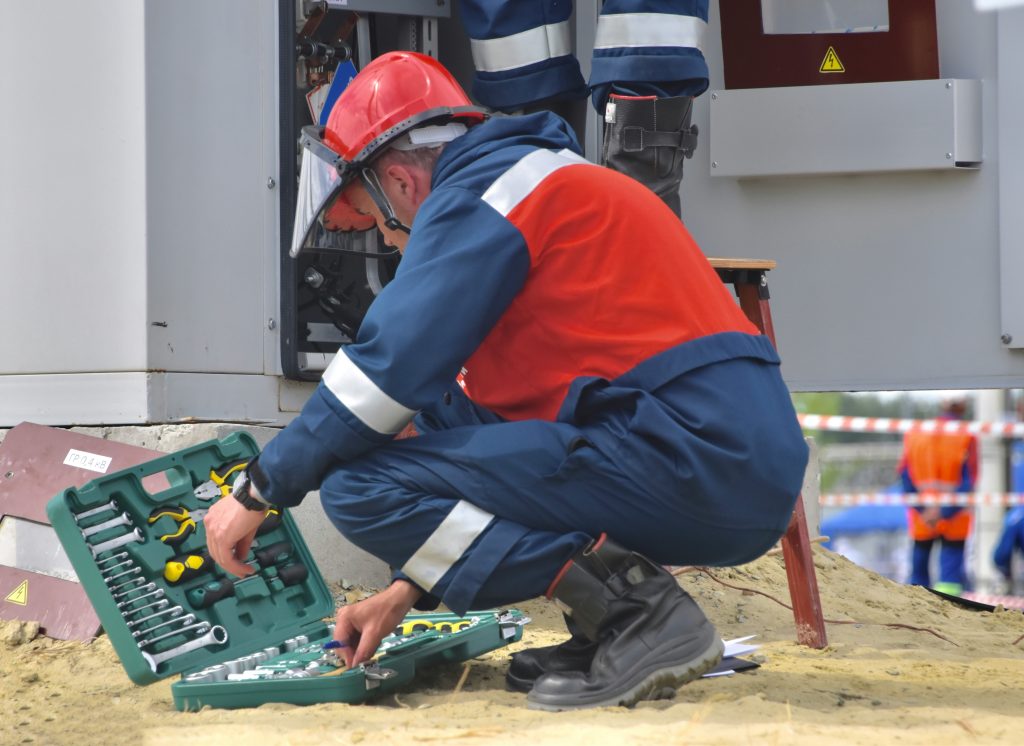
Learn how many electrical accidents at work are reported annually, and the common injuries involved, and key safety guidance to protect employees.
At Claim Today , led by DS Bal , our solicitors have helped injured workers secure over £8.6 million in compensation. Electrical Accidents at work are a great example for serious injuries that often happen to workers. Electrical Accidents at work are a serious safety problem with possible severe of even fatal injuries. However, understanding the kinds of injuries that might occur, how often these accidents happen, and safety measures to avoid them.
HSE Data on Electrical Accidents at Work
According to the Health and Safety Executive (HSE):
-
- Every year, workers in the UK report around 1,000 electrical accidents at work.
-
- Tragically, around 30 of these incidents are fatal
-
- Most injuries happen when workers contact overhead or underground power cables
These numbers highlight a very important dilemma: Workers cannot overlook electrical accidents at work or electrical safety. When employers fail to manage risks, they put workers’ lives in danger.
Read more about HSE and Electrical Safety
Types of Injuries Caused by Electrical Accidents at Work
Electrical accidents at work lead to a wide range of injuries such as
-
- Electric shock: Can damage the heart and nervous system.
-
- Electrical burns: Often deep, and extremely painful, sometimes causing permanent damage.
-
- Electrocution: Severe injury from electric current passing through the whole body, can be a result of faulty equipment.
-
- Secondary injuries: Workers may fall from ladders after receiving a shock.
The HSE reported that an electrical fitter climbed onto equipment thought to be safe, received 33,000-volt burns, and tragically lost both arms.
Read what is the most common accident at work
Legal Duties and Safety Guidance
Employers have a legal duty to protect workers from electrical risks under the Electricity at Work Regulations 1989. To comply, they have to:
-
- Provide competent and trained staff to carry our electrical tasks
-
- Carry our risk assessments and implement control measures
-
- Ensure all equipment and systems are properly maintained
-
- Report serious incidents under RIDDOR (Reporting of Injuries, Diseases and Dangerous Occurrences Regulations).
How can Workers Keep Themself Safe from Electrical Accidents at Work?
-
- Isolate electrical equipment before repairs.
-
- Keeps safe distances from overhead and underground cables.
-
- Report faults or near misses immediately.
-
- Use correct tools and personal protective equipment.
Your guide to report accidents at work
How to Reduce Electrical Accidents at Work?
Preventing accidents requires constant effort. Employers should:
-
- Regularly inspect electrical systems
-
- Provide ongoing safety training.
-
- Use residual current devices (RCDs) to prevent shocks
Workers, on the other hand , should stay alert, follow safe procedures, and never attempt tasks outside their training.
Why Choose Claim Today?
At Claim Today, we fight for injured workers to receive the compensation they deserve. If you or a loved one has suffered due to an electrical accident our experienced solicitors are here to guide you through every step.
-
- Shah Rukh Khan brand ambassador
-
- Services in 17+ languages
-
- No win No fee– Nothing to lose all to gain
-
- Accredited by the SRA & Law Society
-
- Established 1999– Decades of Trusted Services
Phone: 0800 29 800 29
Email: info@claimtoday.com
Unit 2, Avenue Road, Aston, Birmingham, B6 4DY
About Author
Written by DS Bal, solicitor admitted 1997. Founder of Legal 500 Leading Firm Claim Today
Solicitors and Legal TV (UK’s first interactive legal channel). Cabinet Office Customer Service
Excellence Award winner. Over 30 years helping injury victims across England and Wales. £8.6
million recovered in a single year. Available in 17+ languages.